
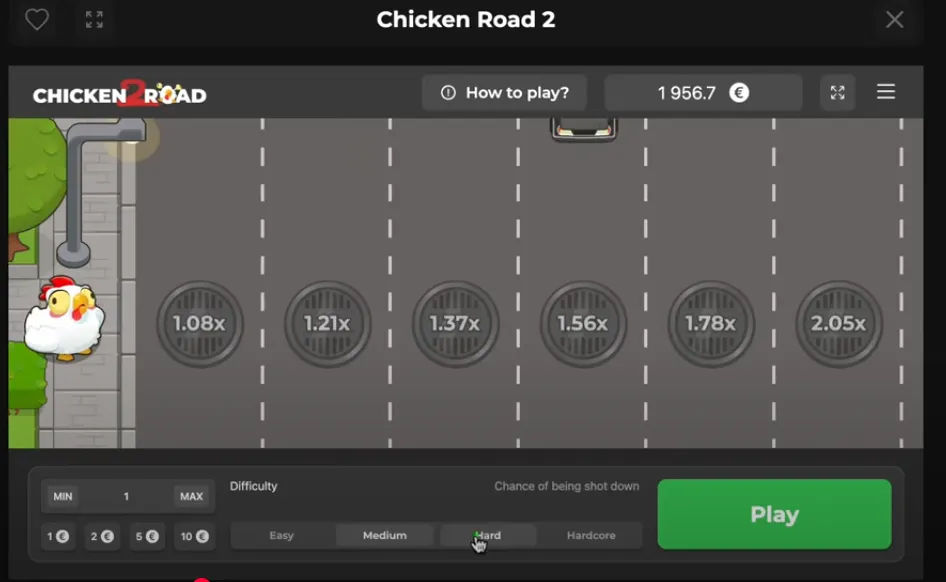
The Chicken Road Activity exemplifies a innovative approach to making jury duty more engaging in the UK. During idle moments, chicken-road-demo.eu, jurors partake in this lighthearted activity, which cultivates a sense of camaraderie and teamwork. The effects of such activities extend beyond mere entertainment; they may greatly influence the interplay of decision-making in important cases. This raises questions about the balance between civil duty and the need for camaraderie in the courtroom. What are the broader impacts on juror behavior?
Understanding Jury Duty and Its Significance
Although many people view jury duty as an inconvenient disturbance, its significance in the legal system cannot be underestimated. Jury duty serves as a cornerstone of democracy, ensuring that citizens participate in the judicial process. This civic responsibility promotes a fair trial by incorporating diverse perspectives, which helps reduce prejudices inherent in legal proceedings. Furthermore, jurors theguardian.com uphold the principle of societal involvement, reflecting societal values in verdicts. By requiring everyday citizens to evaluate evidence and deliver judgments, jury duty strengthens accountability within the legal structure. Consequently, it empowers individuals and builds trust in the justice system. Understanding this significance raises jury duty from a mere obligation to a essential component of civil society that supports the rule of law.
The Origins of the Chicken Road Activity
The Poultry Road Activity traces its roots to traditional playground games, presenting straightforward rules and social interaction. Its cultural variations across the globe highlight unique adaptations, reflecting local customs and entertainment styles. In contemporary contexts, the game has evolved, finding new life and relevance in settings like jury duty, where participants seek interesting distractions.
Traditional Playground Origins
Playgrounds have long been a place for children to engage in games that encourage social interaction and physical activity. Among these games, the Chicken Road Game arose, mirroring traditional playground origins founded on simplicity and community engagement. This game embodies elements that support its enduring appeal:
- Accessibility
- Cognitive Development
- Social Skills
Such characteristics show how the Chicken Road Game not only functions as entertainment but also boosts children’s developmental experiences. Its incorporation into playgrounds highlights the importance of preserving traditional games in an ever more digital world.
Cultural Variations Worldwide
Across various cultures, the Chicken Road Game assumes unique forms that represent local customs and traditions. In rural communities of India, children often use stick figures in a version that highlights teamwork and strategy, paralleling agricultural practices. Conversely, the game found in Japanese schools integrates elements of competition, where participants seek to outmaneuver each other, resembling martial arts training. In Italy, the game emerges as a celebratory activity during festivals, highlighting community bonding and collective joy. These variations act not only as entertainment but also as an educational tool, instructing essential skills such as collaboration, strategic thinking, and cultural identity. As a result, the Chicken Road Game surpasses mere play, representing the values and beliefs of its respective culture.
Modern Adaptations and Usage
While its origins trace back to ancient practices, modern adaptations of the Chicken Road Game reflect current lifestyles and tech advancements. Today’s iterations cater to various audiences, including jury duty members, aiming to make downtime enjoyable and captivating. Digital platforms and mobile apps now enable gameplay, changing the traditional experience.
- Mobile Integration
- Customization Options
- Community Features
These modifications maintain the essence of the original game while integrating features that connect with today’s audience, making the Chicken Road Game pertinent in current civic duties and leisure activities.
How to Play the Jury Duty Downtime Chicken Road Game
To play the Jury Duty Downtime Chicken Road Game, players need to participate in a straightforward yet strategic turn-based competition. Each player takes turns placing their ‘chicken’—represented by a marker—on progressively risky road sections. The goal is to guide safely across without being “hit” by an imaginary vehicle, a risk assessed each round based on a rolling die. Players earn points for each successful move, but must cautiously weigh their next steps against potential hazards introduced by others. Tactical decisions should involve bluffing and predicting opponents’ actions, fostering a fluid atmosphere. The game ends when a player successfully crosses the entire road or when time expires, providing a tension-filled experience grounded in teamwork and strategic prowess.
Benefits of Engaging in Lighthearted Games
Participating in fun games during jury duty provides significant stress relief, allowing participants to momentarily escape the gravity of the proceedings. These games not only cultivate a relaxed atmosphere but also encourage bonding among jurors, enhancing their shared experience. In the end, such interactions can lead to a more pleasant and cooperative environment within the jury room.
Stress Relief Techniques
Lighthearted games serve as an effective tool for stress relief, offering players with a much-needed break from the pressures of daily life. Involving oneself in these activities not only entertains but also offers notable psychological benefits.
- Mood Improvement
- Cognitive Distraction
- Participation in Flow
Bonding With Others
Participating in lighthearted games not only helps with stress relief but also fosters social connections. These games create a comfortable environment where individuals feel comfortable interacting with one another. In the context of jury duty, the mundane waiting periods often increase tension; introducing playful activities encourages camaraderie among jurors. The shared experience of playing games fosters trust and encourages communication, resulting in bonds that may continue beyond the courtroom.
Moreover, lighthearted competition encourages cooperation and cooperation, crucial for effective team interaction. In a community setting, these interactions add to a more unified panel panel, enhancing their joint decision-making process. In the end, integrating relaxation with public responsibility transforms possibly secluding times into opportunities for establishing significant connections.
Building Connections Among Jurors
While panelists often find themselves in a impersonal, structured setting, developing private connections among them can significantly enhance their time and add to a more unified discussion procedure. Building connection not only increases interaction but also promotes trust and comprehension. Here are three effective strategies for fostering these bonds:
- Icebreaker Activities
- Group Discussions
- Shared Experiences
Civic Responsibility and Community Engagement
Civic responsibility goes hand in hand with community involvement, as individuals who actively participate in the judicial process not only fulfill their legal obligations but also contribute to the well-being of their local communities. Participating in jury duty nurtures a stronger sense of inclusion and liability, encouraging citizens to become knowledgeable participants in democratic processes. This involvement reinforces the rule of law and supports confidence in the judiciary. Additionally, jurors often gain insight into societal issues, allowing them to promote necessary changes within their communities. When citizens view their civic duties as opportunities for improvement rather than mere obligations, they cultivate an environment of active participation and collective accountability, ultimately enhancing the common good and cohesion of society.
Tips for Making the Most of Your Jury Duty Experience
Serving on a jury can be a fulfilling experience, offering individuals a special glimpse into the judicial process and their role within it. To make the most of this opportunity, they should consider the following tips:
- Stay Engaged
- Ask Questions
- Manage Downtime Wisely
Conclusion
To summarize, the Chicken Road Game demonstrates how enthralling jurors during downtime can cultivate a sense of community and boost teamwork. By including a fun, lighthearted activity, jurors not only alleviate stress but also elevate their collaborative skills, ultimately benefiting the judicial process. This imaginative approach emphasizes the importance of civic engagement and responsibility, making sure that participants understand their role in the legal system. Adopting such activities can convert the jury duty experience into a more beneficial and productive endeavor.